 Ultimate guide
The Complete Guide to Wedding Reception Music Planning 2026
Last Updated: October 26, 2026
Quick Summary
Wedding reception music planning involves strategically sequencing music across distinct phases including ceremony transition, cocktail hour, dinner, and dancing to create emotional flow and guest engagement. Thoughtful planning prevents awkward silences, keeps the dance floor active, and ensures the music matches your reception's vibe and guest demographics.
- Divide your reception into phases: ceremony transition (15-30 min), cocktail hour (45-60 min), dinner (60-90 min), and dancing with a 10-15 minute energy bridge.
- Include 3-5 universal crowd-pleaser songs like Don't Stop Believin', Levitating, or Walking on Sunshine that transcend generational boundaries.
- Book your DJ in late 2025 or early 2026 for a 2026 wedding to secure your first choice and allow time for collaboration.
- Balance your personal music taste with guest demographics by creating genre zones that honor both your identity and your guests' comfort.
- Avoid slow ballads during high-energy dancing and songs that require explanation, as they kill dance floor momentum.
Table of Contents
- Why Wedding Reception Music Planning Matters
- Building Your Wedding Reception Timeline with Music
- Creating Your Wedding Reception Playlist
- Wedding Must-Play and Do-Not-Play Songs
- When to Book Your Wedding DJ for 2026
- Music Genre Selection and Guest Preferences
- Budgeting for Wedding Reception Music and Entertainment
- Starting Your Wedding Entertainment Planning
- Frequently Asked Questions
Why Wedding Reception Music Planning Matters
Music sets the emotional tone for your entire wedding reception. It's the invisible thread that connects your ceremony's solemnity to your celebration's joy, guides guests through each moment, and creates the memories people talk about for years. The difference between a reception that feels disjointed and one that flows seamlessly often comes down to intentional music planning.
When you approach wedding reception music planning without a clear strategy, you risk awkward silences during cocktail hour, a dance floor that stays empty, or songs that jar your carefully curated vibe. Thoughtful planning transforms everything.
At Agondray Entertainment LLC, we work with couples to create reception soundscapes that match their personalities and keep guests engaged throughout the night. The right playlist isn't just background noise, it's an essential part of your event's architecture.
Building Your Wedding Reception Timeline with Music
Your wedding reception timeline with music should account for distinct phases, each with its own sonic requirements. Think of your reception as a story with chapters, and music is the narrator.
Start with your ceremony transition. The moment your ceremony ends and guests move to cocktail hour typically spans 15-30 minutes. This is when you need instrumental or soft background music, something that encourages conversation without demanding attention. Many couples overlook this window, leaving guests in silence while photos are taken. Instead, curate a gentle playlist of acoustic covers, jazz standards, or classical pieces that set a sophisticated tone.
Cocktail hour typically lasts 45 minutes to an hour. This is your chance to establish the reception's personality before dinner begins. If you're going upscale, lean into lounge music and smooth jazz. If your vibe is casual and fun, contemporary acoustic or indie covers work beautifully. The volume should allow guests to hear each other without shouting.
Dinner music requires a different approach. You want something present but not intrusive, instrumental versions of popular songs, soft pop, or curated dinner-hour playlists that won't compete with toasts, speeches, or the clinking of glasses. This is typically 60-90 minutes of carefully selected tracks.
Then comes the transition to dancing. This is where energy shifts dramatically. You'll want a 10-15 minute bridge where the music gradually builds in tempo and energy, moving from dinner ambiance to celebration mode. This is the moment guests mentally prepare to leave their seats and move to the dance floor.
Creating Your Wedding Reception Playlist
Your wedding reception playlist is the backbone of your event's flow. Discover how to personalize wedding music to match your unique style and preferences. It's not just a random collection of songs, it's a carefully sequenced journey that mirrors your reception's emotional arc.
Ceremony Transition Music
The transition from ceremony to cocktail hour sets expectations. Choose instrumental versions of meaningful songs, classical pieces, or acoustic covers that feel elegant without being stuffy. This 15-30 minute window should feel intentional and thoughtful. Many couples use this time to play songs that hold personal meaning, perhaps an instrumental version of your first dance song, or music from artists you both love.
Cocktail Hour and Dinner Selections
Cocktail hour music should encourage mingling without overpowering conversation. Think lounge, jazz, acoustic covers of contemporary hits, or curated dinner-hour playlists. The goal is sophisticated ambiance. During dinner, continue this vibe but allow for slight variation, instrumental pop, soft indie, or classical crossover pieces work well. This keeps the energy consistent while preventing monotony across a 90-minute window.
Dancing and Celebration Moments
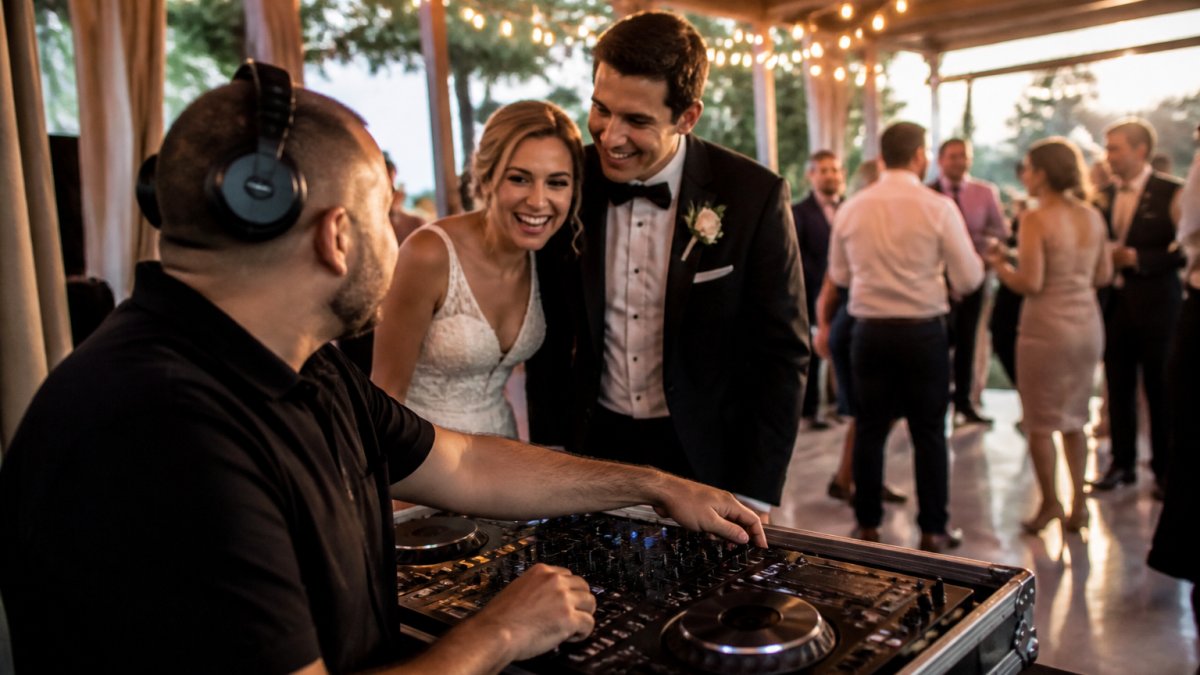
This is where your wedding reception music planning really matters. Learn more about how to pick a wedding DJ to ensure you have the right professional executing your vision. Your dancing playlist should include songs that get your specific crowd moving. Not every guest has the same musical taste, so strategic variety is essential. Include crowd-pleasers from multiple decades, genres, and eras. The key is reading the room and adjusting in real time, something a professional DJ does constantly.
Wedding Must-Play and Do-Not-Play Songs
Songs That Connect Every Guest
Certain songs transcend generational and musical boundaries. These are your anchor tracks, the songs that get everyone on the dance floor regardless of age or taste. Think "Don't Stop Believin'" by Journey, "Shut Up and Dance" by Walk the Moon, "Levitating" by Dua Lipa, or "Walking on Sunshine" by Katrina and the Waves. These songs work because they're universally recognizable, have infectious energy, and carry positive associations.
Include at least 3-5 of these universal tracks in your dancing playlist. They're your safety net when you're unsure if a section of your guest list will engage.
Avoiding Songs That Clear the Dance Floor
Some songs, despite their popularity, kill dance floor momentum. Extremely slow ballads in the middle of high-energy dancing can deflate the vibe. Overly niche indie tracks that only you and your best friend understand might feel self-indulgent. Highly controversial or politically charged songs risk alienating guests.
The general rule: if a song requires explanation or apology, it probably shouldn't be on your dancing playlist. Save deeply personal songs for moments when they serve a specific purpose, like your first dance or a special dedication, rather than sprinkled throughout the general rotation.
When to Book Your Wedding DJ for 2026
Timing matters significantly for wedding reception music planning. This gives you enough time to discuss your vision, collaborate on song selections, and make adjustments without rushing.
If you're planning a 2026 wedding, booking in late 2025 or early 2026 positions you well. Waiting until 2-3 months before your date limits your options and may mean settling for providers who aren't your first choice.
When you're ready to book, look for someone who takes time to understand your specific preferences and guest demographics. The right DJ isn't just playing songs, they're reading your reception's energy and making real-time adjustments to keep momentum flowing. You can explore professional entertainment options available for your specific needs.
Music Genre Selection and Guest Preferences
Your wedding reception music planning should account for your guest demographic. A reception full of 60-year-olds has different musical expectations than one with mostly 30-year-olds. This doesn't mean you ignore your own taste, it means you balance personal preference with guest engagement.
Consider creating genre zones in your playlist. Start with classic crowd-pleasers, move into your favorite era (80s, 90s, 2000s, whatever resonates with you), then blend in contemporary hits. This approach honors both your identity and your guests' comfort.
If you're uncertain about your guests' preferences, ask trusted friends or family members who know your crowd well. They can offer perspective on what music will energize versus alienate your specific group.
Budgeting for Wedding Reception Music and Entertainment
Wedding reception music costs vary widely depending on whether you hire a DJ, create a curated playlist with a sound system, or use a hybrid approach. Your budget should account for the professional's time, equipment quality, and their ability to read and respond to your reception's energy in real time.
When evaluating options, consider what you're actually paying for: equipment reliability, experience reading a room, real-time playlist adjustments, technical troubleshooting, and the ability to handle unexpected moments. A professional DJ brings expertise that goes beyond pressing play.
For specific pricing information for your 2026 wedding, check current pricing to understand what's available for your needs.
Starting Your Wedding Entertainment Planning
Begin your wedding reception music planning by identifying your core priorities. Are you focused on creating a specific vibe? Do you want maximum guest participation on the dance floor? Are certain songs or moments non-negotiable?
Once you've clarified your vision, reach out to potential entertainment providers. The best providers ask detailed questions about your preferences, your guests, your venue, and your timeline. They treat your wedding as a unique event, not a template they've repeated 100 times.
When you're ready to move forward, contact Agondray Entertainment LLC to discuss your specific needs. Our team takes time to understand your vision for your reception, your guest demographics, and the moments that matter most to you. We'll work with you to create a wedding reception music experience that feels authentically yours while keeping your guests engaged throughout the night.
Frequently Asked Questions
How do you plan music for a wedding reception?
Start by identifying key moments: ceremony, cocktail hour, dinner, and dancing. Build your wedding reception music planning around your timeline, selecting songs that match each phase's mood and energy. Work with your DJ or music provider early to discuss your vision, must-play songs, and any tracks to avoid. Share your guest demographics and preferred genres so the music feels personal and keeps everyone engaged throughout the night.
What should your wedding reception playlist include?
Your wedding reception playlist should span multiple genres and eras to appeal to all ages. Include 3-5 must-play songs for key moments, a mix of classics and current hits for dancing, and slower songs for dinner and late-night wind-down. Balance nostalgia with contemporary hits, and always include a few crowd-pleasers that get everyone moving.
When should you book a wedding DJ for 2026?
If you're planning a summer or fall 2026 wedding, start your wedding DJ booking timeline in late 2025 or early 2026. Once booked, schedule a consultation 2-3 months before your event to finalize your wedding reception music planning and playlist details.
What are must-play and do-not-play songs for weddings?
Must-play songs typically include your first dance selection, parent dances, and crowd favorites that get guests excited (think classics like 'Don't Stop Believin'' or 'Shut Up and Dance'). Do-not-play songs are those that clear the dance floor, remind guests of sad moments, or clash with your wedding vibe. Communicate your wedding must-play and do-not-play songs list to your DJ well in advance so they understand your preferences and can keep the energy right all night.
How long should a wedding reception playlist be?
If you're creating a static playlist, aim for 80-100 songs to cover 5-6 hours without repetition. Include variety across decades and genres so there's something for everyone during your wedding reception music planning.
How do you coordinate music with your wedding reception timeline?
Map your reception timeline first: ceremony exit (upbeat), cocktail hour (background, 60-80 BPM), dinner (soft, 70-90 BPM), toasts (pause for speeches), first dance, parent dances, and open dancing (high energy). Share this timeline with your DJ so they know when to transition between moods. A professional DJ will use your wedding reception timeline with music to guide their selections, building energy gradually and hitting emotional moments at the right time.
Should you hire a DJ or create a playlist for your wedding?
A professional DJ reads the room, adjusts in real time, and handles technical issues, worth the investment for most couples. A playlist works for smaller, more casual celebrations but risks awkward silences, poor song transitions, or technical failures. A DJ brings expertise in pacing, guest engagement, and backup equipment. For your wedding reception music planning, hiring a DJ ensures professional-quality sound and someone focused entirely on keeping your guests entertained.
Your wedding reception deserves entertainment that honors your personality and creates genuine connection among your guests. The music you choose shapes how people remember your celebration long after the last dance. Planning intentionally, booking professionals who understand your vision, and trusting the process transforms your reception from a series of moments into a cohesive experience your guests won't forget.